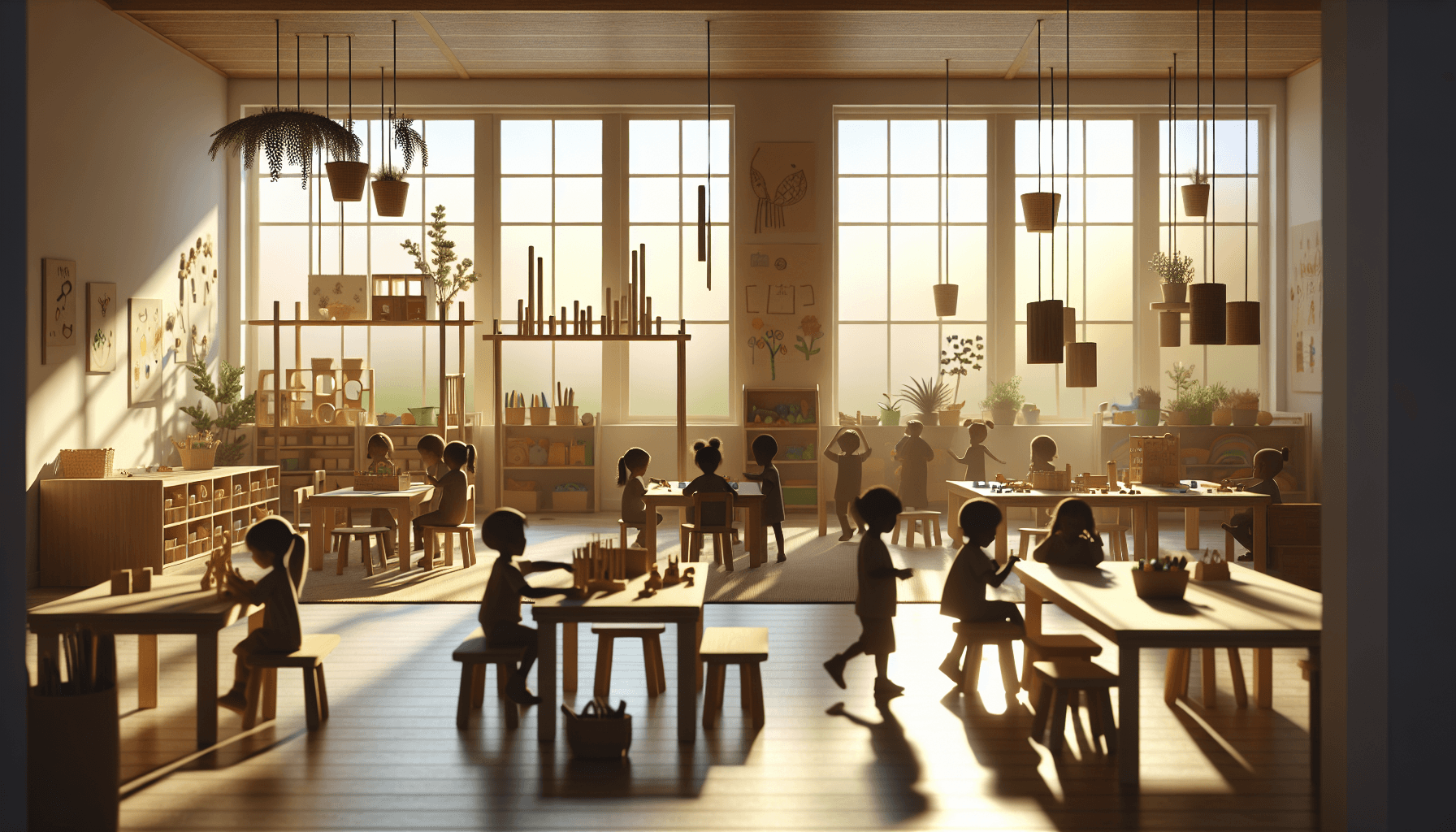
Explore quiet play activities designed to enhance children's focus and concentration through calming and relaxing methods.
Quiet Play is a unique approach to helping children develop focus and concentration through calming activities. It is based on the idea that children need time to relax and be still in order to be able to focus and concentrate on tasks. Quiet Play activities are designed to help children learn to be mindful and present in the moment while also providing them with a sense of calm and relaxation. These activities can help children develop the skills they need to be successful in school and in life. Quiet Play activities can be used in the classroom, at home, or in any other setting where children need to be able to focus and concentrate.
How to Create a Quiet Play Space for Kids: Tips for Creating a Calm and Focused Environment
Creating a quiet play space for kids can be a challenge, but it is an important part of helping them to focus and stay calm. Here are some tips for creating a peaceful and productive environment for your children:
-
Choose a designated area. Select a space in your home that is free from distractions and noise. This could be a corner of a room, a playroom, or even a separate room.
-
Make it comfortable. Provide comfortable seating and floor cushions for your children to sit on. Add some soft lighting and a few toys or books to make the space inviting.
-
Keep it organized. Make sure the space is neat and tidy. This will help your children to focus and stay on task.
-
Limit noise. Keep the noise level to a minimum. This could mean turning off the TV or radio or using headphones for listening to music.
-
Set boundaries. Establish clear rules and expectations for the space. Let your children know that this is a place for quiet activities and that they should respect the rules.
-
Provide activities. Have a variety of activities available for your children to do in the space. This could include puzzles, colouring books, or other quiet activities.
Creating a quiet play space for kids can be a great way to help them stay focused and calm. With a little bit of planning and effort, you can create a peaceful and productive environment for your children.
The Benefits of Quiet Play: How to Help Kids Develop Concentration and Focus
The ability to concentrate and focus is an important skill for children to develop. Quiet play can be a great way to help kids hone these skills. Quiet play is any activity that does not involve loud noises or a lot of movement. Examples of quiet play activities include reading, drawing, puzzles, and board games.
Quiet play can help children develop concentration and focus in several ways. First, it encourages them to stay in one place and focus on one task. This helps them learn to stay on task and complete activities without getting distracted. Second, it helps them practice problem-solving skills. Puzzles, board games, and other activities require children to think critically and come up with solutions. Finally, quiet play can help children learn to control their emotions. When they are playing quietly, they are less likely to become frustrated or overwhelmed.
There are several ways parents and caregivers can help children develop concentration and focus through quiet play. First, it is important to provide a quiet, distraction-free environment. This means limiting the amount of noise and movement in the room. Second, it is important to provide activities that are appropriate for the child’s age and skill level. This will help them stay engaged and interested in the activity. Third, it is important to provide guidance and support. This can include helping them understand the rules of the game or providing encouragement when they are struggling. Finally, it is important to set aside time for quiet play. This can be a few minutes each day or a longer period on the weekends.
Quiet play can be a great way to help children develop concentration and focus. By providing a calm, distraction-free environment and activities that are appropriate for their age and skill level, parents and caregivers can help children hone these important skills.
Quiet Play Activities for Kids: Ideas for Encouraging Calm and Creative Playtime
-
Drawing and Coloring: Drawing and colouring are great activities for encouraging quiet playtime. They allow children to express their creativity and imagination while providing a calming and focused activity.
-
Reading: Reading is a great way to encourage quiet playtime. It allows children to explore new worlds and ideas while providing a calming and focused activity.
-
Building with Blocks: Building with blocks is a great way to encourage quiet playtime. It allows children to use their imagination and creativity while providing a calming and focused activity.
-
Puzzles: Puzzles are a great way to encourage quiet playtime. They allow children to use problem-solving skills while providing a calming and focused activity.
-
Music: Music is a great way to encourage quiet playtime. It allows children to explore different sounds and rhythms while providing a calming and focused activity.
-
Gardening: Gardening is a great way to encourage quiet playtime. It allows children to explore nature and learn about plants while providing a calming and focused activity.
-
Arts and Crafts: Arts and crafts are a great way to encourage quiet playtime. They allow children to express their creativity and imagination while providing a calming and focused activity.
-
Cooking: Cooking is a great way to encourage quiet playtime. It allows children to explore different flavours and textures while providing a calming and focused activity.
-
Imaginary Play: Imaginary play is a great way to encourage quiet playtime. It allows children to explore different roles and scenarios while providing a calming and focused activity.
-
Nature Walks: Nature walks are a great way to encourage quiet playtime. They allow children to explore the outdoors and observe nature while providing a calming and focused activity.
Conclusion
Quiet Play is an effective way to nurture focus and concentration in children. Children can learn to focus their attention and develop their concentration skills through calming activities such as colouring, puzzles, and mindfulness. Quiet Play can also help children relax and reduce stress, allowing them to manage their emotions and behaviour better. Quiet Play is an important tool for helping children develop the skills they need to succeed.
Frequently Asked Questions
What are some examples of quiet play activities?+
Examples of quiet play activities include drawing, reading, building with blocks, puzzles, and gardening. These activities help children focus and relax.
How can quiet play benefit my child?+
Quiet play can help children develop concentration, focus, and emotional regulation. It provides a calm environment for problem-solving and creativity.
How can I set up a quiet play space at home?+
To set up a quiet play space, choose a distraction-free area, provide comfortable seating, and offer a variety of quiet activities like puzzles and books.
Tags
Share this article
Comments
No comments yet. Be the first to share your thoughts.
Leave a comment
Join our weekly newsletter
Framework-grounded ideas for parents and educators, every Thursday.