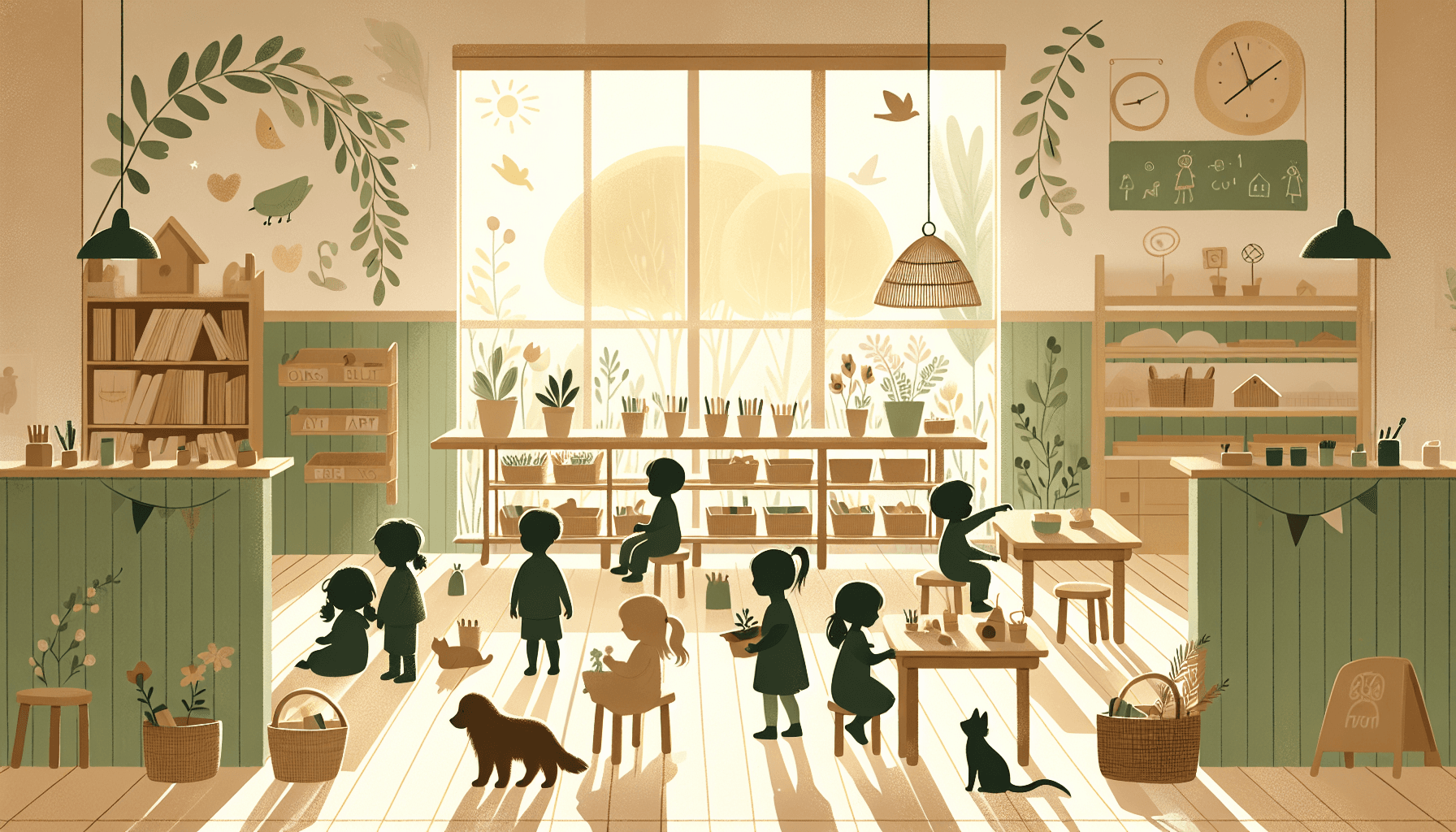
Explore how pets can enrich young children's lives by teaching responsibility and providing companionship. Discover tips for introducing pets to kids.
Understanding the benefits of pets can help parents make informed decisions about adding a pet to their family.
Introduction
Pets and young children can be a great combination. Pets provide companionship and unconditional love. They teach children responsibility and help them learn empathy. Pets also help children express their feelings and build self-confidence. With the right guidance, pets can be a wonderful addition to any family.
How to Introduce a New Pet to a Young Child
Introducing a new pet to a young child can be exciting and rewarding. However, it's important to do it safely. Here are some tips to make the introduction positive:
-
Prepare the child: Talk to them about the pet and explain their responsibilities. This helps them understand the importance of caring for the pet.
-
Prepare the pet: Ensure the pet feels comfortable in its new environment. Provide a safe space, like a crate or room, with food, water, and toys.
-
Introduce slowly: Let the child observe the pet from a distance first. Allow them to get used to its presence before interacting.
-
Supervise interactions: Always watch when the child and pet interact. This keeps both safe and prevents the pet from feeling overwhelmed.
Teaching Young Children Responsible Pet Care
Teaching young children responsible pet care is an important part of helping them develop a lifelong appreciation for animals. It is important to start teaching children about pet care at an early age, as it will help them develop a sense of responsibility and respect for animals.
The first step in teaching young children responsible pet care is to ensure that they understand the basics of pet care. This includes teaching them about the importance of providing their pet with food, water, and exercise. It is also important to teach them about the importance of providing their pet with regular veterinary care, such as vaccinations and check-ups. Additionally, it is important to teach them about the importance of providing their pet with a safe and comfortable environment.
It is also important to teach children about the importance of providing their pet with love and attention. This includes teaching them how to properly interact with their pet, such as petting them and playing with them. Additionally, it is important to teach them about the importance of providing their pet with regular grooming and brushing.
Finally, it is important to teach children about the importance of being responsible pet owners. This includes teaching them about the importance of spaying and neutering their pet, as well as the importance of providing their pet with proper identification. Additionally, it is important to teach them about the importance of cleaning up after their pet and disposing of their pet’s waste properly.
By teaching young children responsible pet care, they will develop a lifelong appreciation for animals and a sense of responsibility for their pet. This will help them become responsible pet owners and help ensure that their pet is provided with the best possible care.
The Benefits of Having a Pet for Young Children
Having a pet can be wonderful for young children. Pets offer companionship and teach responsibility. They also help children learn important life lessons.
First, pets provide companionship. They offer comfort and security, especially to children who feel lonely. Pets give children a sense of responsibility as they learn to care for them.
Second, pets teach life lessons. Caring for a pet teaches responsibility, empathy, and respect. Children learn patience and understanding as they communicate with their pet. They also learn to be gentle and kind.
Finally, pets encourage exercise. Walking a pet or playing with them outside helps children stay active and enjoy the outdoors.
In conclusion, pets provide companionship, teach responsibility, and offer life lessons. They also encourage exercise, making them a great addition to any family.
For more ideas on engaging children in outdoor activities, check out our article on encouraging outdoor play at home.
Conclusion
Pets and young children can be a great combination, as long as the pet is well-trained and the child is taught how to interact with the pet in a safe and respectful way. Pets can provide companionship, teach responsibility, and even help children learn empathy. With the right guidance and supervision, pets and young children can form a strong bond that will last a lifetime.
FAQs About Pets and Young Children
What are the benefits of having a pet for young children?
Pets provide companionship, teach responsibility, and help children learn empathy and social skills. They also encourage physical activity and outdoor play.
How can I teach my child to care for a pet responsibly?
Start by explaining the basics of pet care, such as feeding, grooming, and regular vet visits. Encourage your child to participate in these activities to develop a sense of responsibility.
How do I safely introduce a pet to a young child?
Prepare both the child and the pet for the introduction. Allow the child to observe the pet from a distance first, and supervise all interactions to ensure safety.
Frequently Asked Questions
What are the benefits of having a pet for young children?+
Pets provide companionship, teach responsibility, and help children learn empathy and social skills. They also encourage physical activity and outdoor play.
How can I teach my child to care for a pet responsibly?+
Start by explaining the basics of pet care, such as feeding, grooming, and regular vet visits. Encourage your child to participate in these activities to develop a sense of responsibility.
How do I safely introduce a pet to a young child?+
Prepare both the child and the pet for the introduction. Allow the child to observe the pet from a distance first, and supervise all interactions to ensure safety.
Tags
Share this article
Comments
No comments yet. Be the first to share your thoughts.
Leave a comment
Join our weekly newsletter
Framework-grounded ideas for parents and educators, every Thursday.