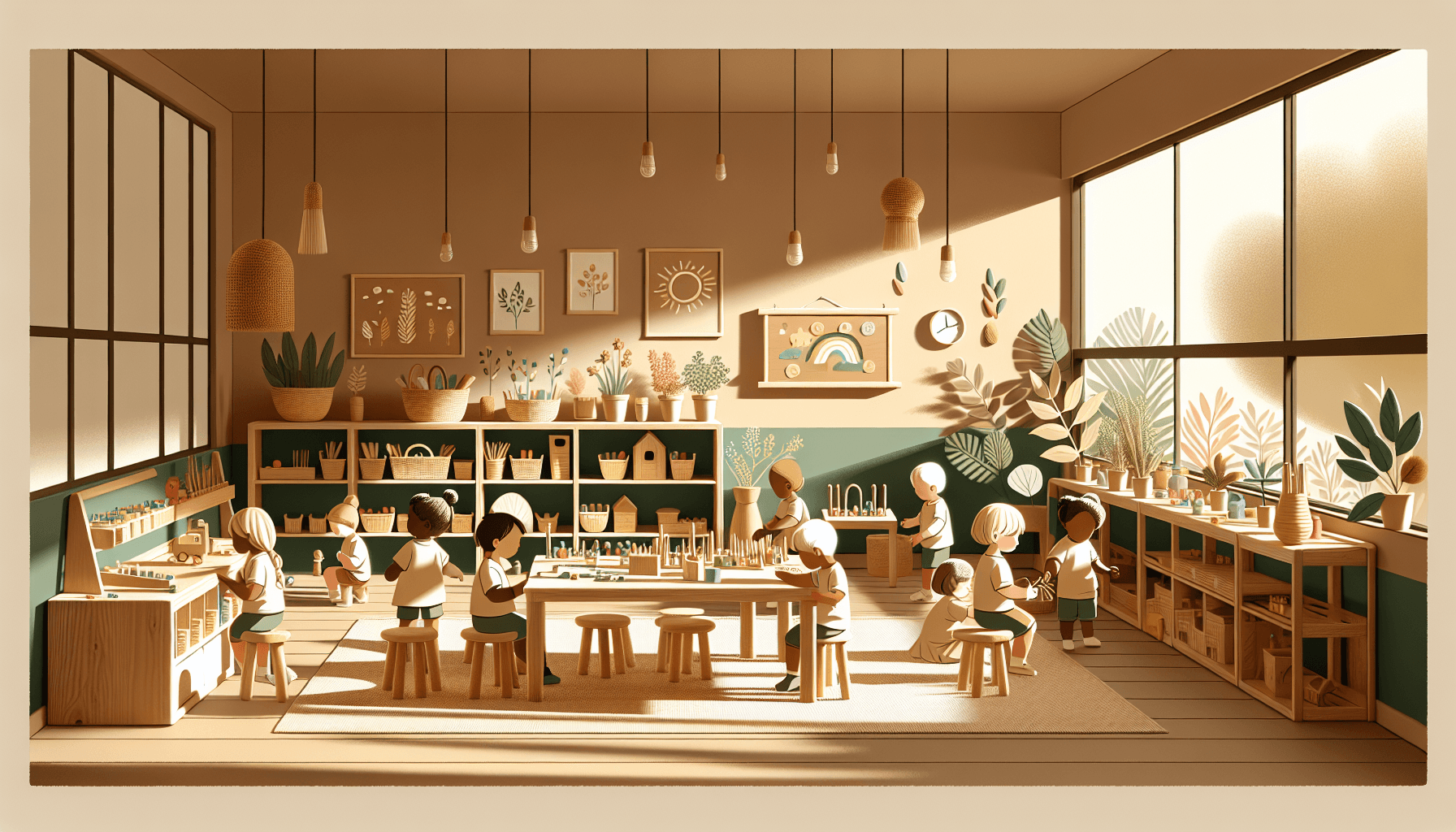
Explore fun sensory activities designed to enhance preschool learning and development through engaging play.
Imagine your preschooler diving into a tub of colorful rice, giggling as they scoop and pour. These moments aren't just fun—they're building blocks for learning. Sensory activities are a wonderful way to support your child's development, engaging their senses and sparking curiosity.
Parents looking for hands-on ideas can explore our sensory play guide for age-appropriate activities.
The Magic of Sensory Play
Sensory play isn't just about making a mess. It's about forming connections in your child's brain. During these early years, their brains make millions of connections every second. Activities like squishing Play-Doh or splashing in water build the foundation for cognitive skills. These interactions are key for future learning.
Simple Sensory Activities at Home
You don't need fancy tools to start sensory play. Everyday items can turn into exciting adventures. Sensory tubs are a great example. Fill a bin with dry rice or beans, and let your child explore with spoons and cups. The tactile experience not only enhances fine motor skills but also boosts imaginative play.
For a more artistic touch, try finger painting. It's a fantastic way to engage their sense of touch and sight. Plus, it encourages creativity and self-expression. For more ideas, check out our Sensory Activities for Preschoolers: Fun Ideas to Try.
For more artistic sensory play ideas for preschoolers, try using different textured materials for painting.
For more creative ideas, our Artistic Play: Unleashing the Creative Spirit article offers great tips.
Benefits Beyond Fun
Sensory play is not only fun, but it also supports emotional growth. These activities help children regulate their emotions and develop patience. For instance, watching sand drip through fingers can be calming and help them focus.
Incorporating Sensory Play into Daily Life
Adding sensory activities to your routine is simple. Set up a small area in your home for these activities. Rotate materials regularly to keep things exciting. The goal is to encourage exploration and learning in a playful way.
Frequently Asked Questions
What are some simple sensory activities for preschoolers?+
Try sensory tubs with rice or beans, or enjoy finger painting to engage their senses and boost learning.
How does sensory play benefit my child?+
Sensory play supports cognitive development, fine motor skills, and emotional regulation through fun and engaging experiences.
Can I create sensory activities at home easily?+
Yes, using everyday items like rice and sand, you can set up simple and effective sensory activities at home.
Tags
Share this article
Comments
No comments yet. Be the first to share your thoughts.
Leave a comment
Join our weekly newsletter
Framework-grounded ideas for parents and educators, every Thursday.