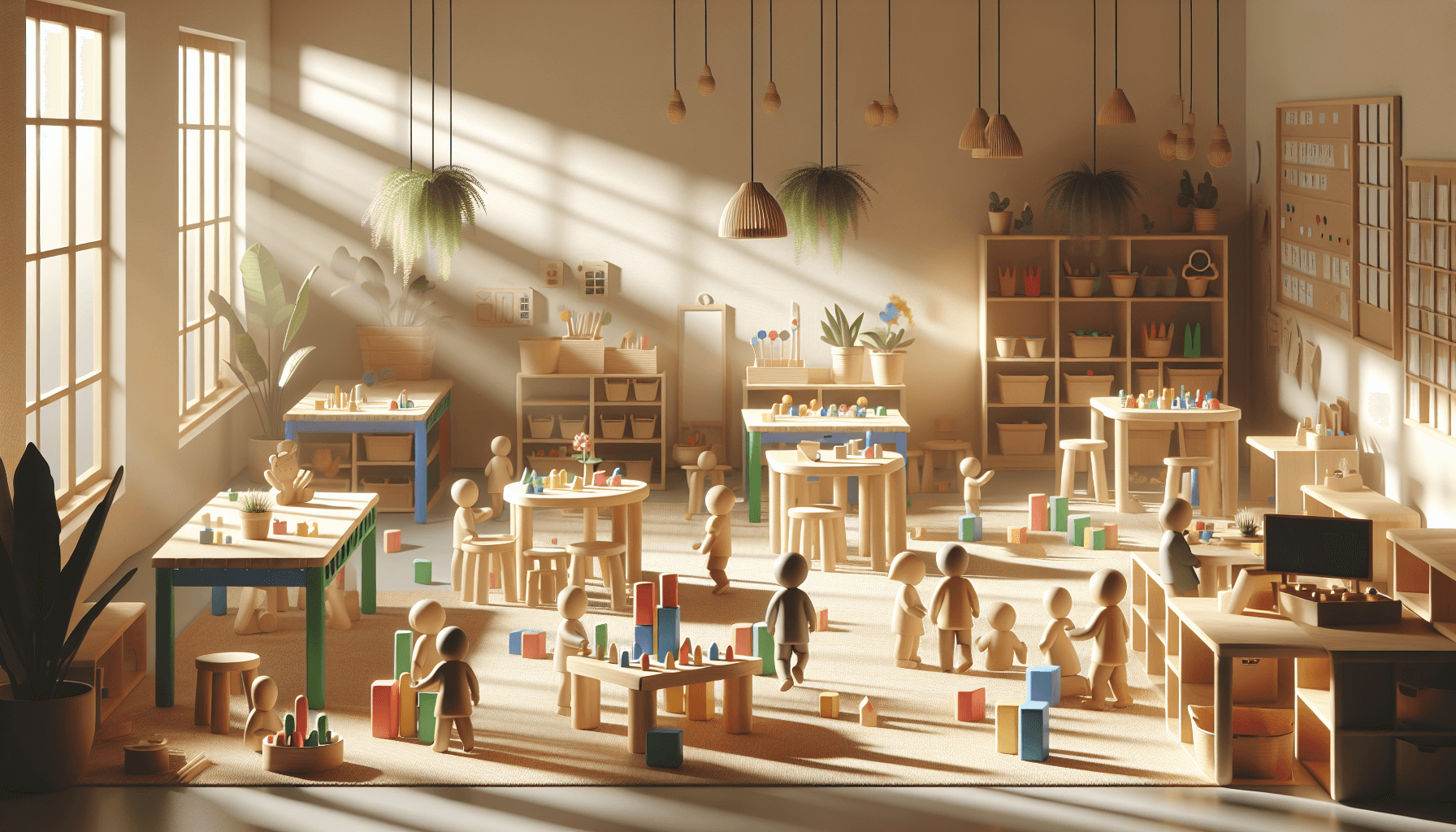
Explore engaging sensory activities for preschoolers to boost learning
Ever notice how kids can't resist touching everything around them? That's their natural curiosity at work, and it's a great opportunity for sensory play. Sensory activities are not just about fun—these experiences are crucial for your child's development.
Why Sensory Play Matters
In the early years, children learn about the world primarily through their senses. By engaging in sensory play, they refine their ability to process new information. This form of play helps in developing language skills, cognitive growth, and social interaction. It also aids in building fine and gross motor skills.
Easy Sensory Activities at Home
Creating sensory experiences doesn’t have to be complicated. A simple, effective way to start is with sensory tubs. Fill a container with materials like rice, beans, or kinetic sand. Let your child explore these textures with their hands or using tools like spoons and cups. This can be a wonderful way for them to experience different textures and sounds.
Another easy activity is making homemade playdough. Involve your child in mixing the ingredients, and then let them knead and shape it. This not only engages their sense of touch but also strengthens their hand muscles, preparing them for writing skills later on.
For a more adventurous play, try a nature walk. Encourage your child to collect leaves, stones, or twigs and then create a collage. This not only connects them with nature but also stimulates their senses of sight, touch, and smell.
Integrating Sensory Play with Learning
You can seamlessly incorporate sensory activities into educational themes. For example, while learning about the ocean, create a water bin with toy sea creatures and shells. This active play supports both sensory exploration and thematic learning.
If your child enjoys art, sensory activities can be combined with creative projects. Finger painting or using edible paints made from yogurt and food coloring can be both fun and safe.
Tips for Successful Sensory Play
Safety is key when it comes to sensory play. Always supervise your children, especially with small objects that could be a choking hazard. Choose materials that are age-appropriate and safe.
Consider setting up a designated play area that’s easy to clean. A vinyl tablecloth on the floor can protect your surfaces and make clean-up a breeze.
By integrating sensory activities into your child's playtime, you not only provide them with fun experiences but also support their overall development. For more ideas on engaging your child through play, check out our article on Imaginary Play and its Benefits for Young Children.
Remember, every touch, taste, and sound is a step towards a brighter, more informed future for your little one.
For more ideas on how to engage young minds, explore our article on Imaginary play and its benefits for young children.
Frequently Asked Questions
Why is sensory play important for preschoolers?+
Sensory play supports cognitive growth, motor skills, and social interactions by allowing children to explore and learn through their senses.
What materials can I use for sensory play at home?+
Common household items like rice, beans, kinetic sand, and homemade playdough are great for sensory play.
How can I ensure my child's safety during sensory play?+
Always supervise children during play, use age-appropriate materials, and avoid small items that pose choking hazards.
Tags
Share this article
Comments
No comments yet. Be the first to share your thoughts.
Leave a comment
Join our weekly newsletter
Framework-grounded ideas for parents and educators, every Thursday.