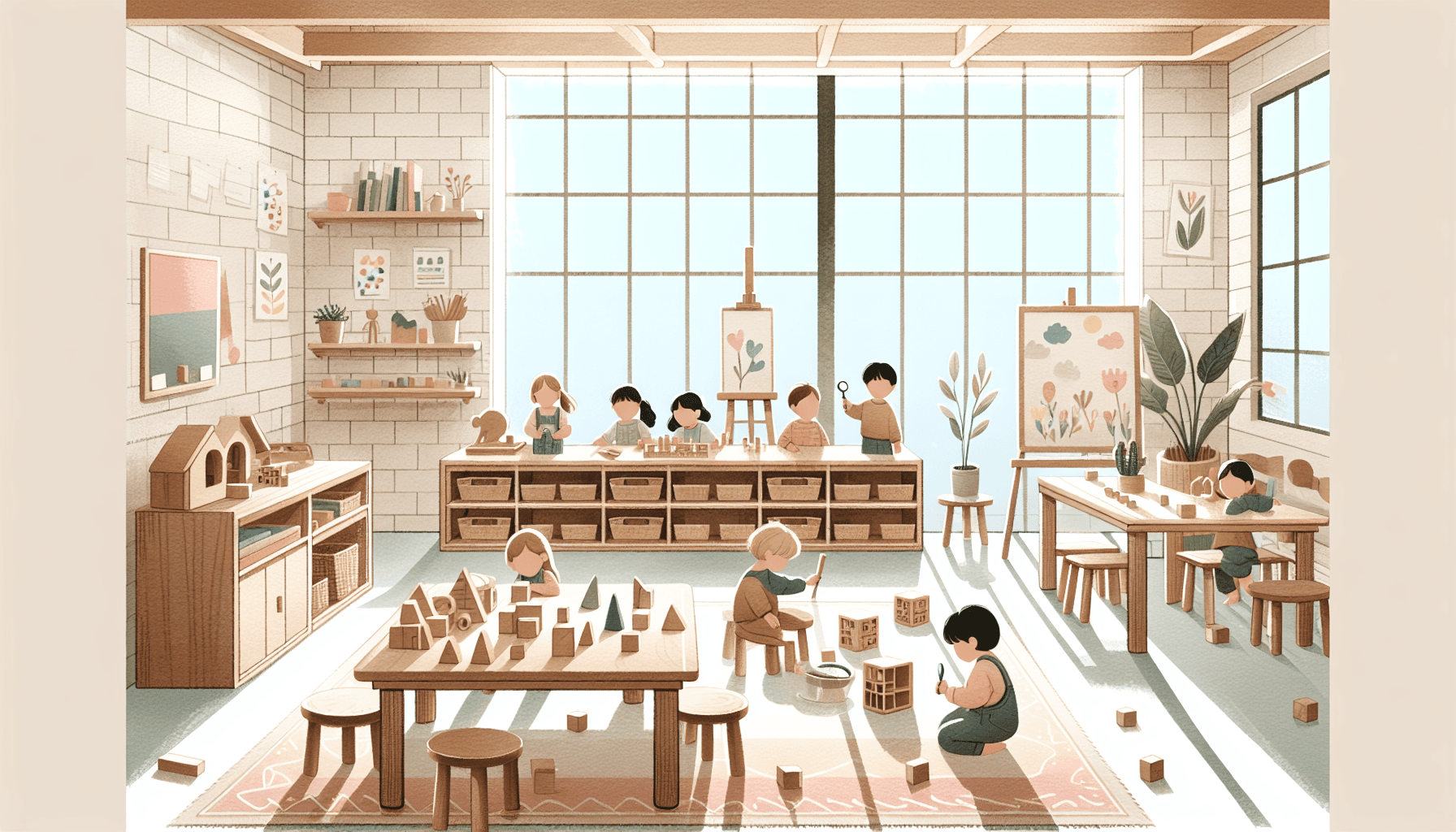
Discover how different types of play enhance child development, fostering essential skills and growth across various areas.
Table of Contents
- [Introduction](#introduction-MiuUWxEKNe)
- [Exploring the Benefits of Outdoor Play on Social and Emotional Development](#exploring-the-benefits-of-outdoor-play-on-social-and-emotional-development-MiuUWxEKNe)
- [How Structured Play Activities Help Develop Motor Skills in Young Children](#how-structured-play-activities-help-develop-motor-skills-in-young-children-MiuUWxEKNe)
- [Conclusion](#conclusion-MiuUWxEKNe)
Understanding the different types of play helps parents support their child's development effectively.
Incorporating sensory play into daily routines can enhance a child's learning and development.
Introduction
Play is essential for a child's growth. It helps them learn and develop vital skills. Different types of play, such as physical and imaginative play, have positive impacts on development. Physical play builds gross motor skills. Imaginative play boosts creativity and problem-solving. Social play teaches interaction, while constructive play involves using hands and building. All these play types are crucial for a child's growth, helping them become well-rounded individuals.
Exploring the Benefits of Outdoor Play on Social and Emotional Development
Outdoor play is vital for a child's growth. It offers many social and emotional benefits. Research shows outdoor play helps children develop skills like problem-solving, communication, and teamwork. It also boosts independence and self-confidence. Outdoor play encourages interaction with peers. Children learn to share, take turns, and cooperate. This builds social skills and fosters friendships. It also improves communication skills. Through talking with peers, children express thoughts and listen to others. Physical activity is another benefit of outdoor play. It helps children develop motor skills like running, jumping, and climbing. This builds strength and coordination, improving physical health. Physical activity also reduces stress and boosts mood. Outdoor play fosters independence and creativity. Children make decisions and take risks, building self-confidence. They explore their environment and use imagination to create games. In summary, outdoor play is crucial for social and emotional growth. It promotes interaction, communication, physical activity, and creativity. Ensuring children have outdoor play opportunities maximizes their development.
How Structured Play Activities Help Develop Motor Skills in Young Children
Structured play activities are key for young children's development. They help develop motor skills, which are vital for physical and cognitive growth. These activities are planned and supervised by adults, like teachers or parents. Examples include obstacle courses, ball games, and building activities. Structured play helps children practice movements, improving coordination. Repetition helps children control movements and become more coordinated. These activities also build strength and endurance. Physical activities help children develop muscles and stamina. Structured play improves balance and coordination. Activities like balancing on a beam or throwing a ball teach control. Besides motor skills, structured play is fun and engaging. Children learn to interact, solve problems, and be creative. Overall, structured play is crucial for developing motor skills. It helps children control movements, build strength, and improve balance. It also provides a fun way to learn and grow.
Parents looking for hands-on ideas can explore our sensory play guide for age-appropriate activities.
Conclusion
In conclusion, play is essential for a child's development. Different types of play, such as physical, imaginative, and social play, positively impact a child's growth. Physical play develops physical skills. Imaginative play boosts creativity and problem-solving. Social play enhances social and emotional skills. All these play types are important for a child's overall development and should be encouraged.
Frequently Asked Questions
What are the different types of play important for child development?+
Different types of play include physical, imaginative, social, and constructive play. Each type supports different aspects of a child's development, such as motor skills, creativity, social skills, and problem-solving.
How does outdoor play benefit a child's development?+
Outdoor play benefits a child's development by enhancing social skills, communication, physical health, and creativity. It encourages interaction, reduces stress, and boosts mood and self-confidence.
Why are structured play activities important for young children?+
Structured play activities are important because they help develop motor skills, strength, coordination, and social interaction. They provide a fun way for children to learn and grow.
Tags
Share this article
Comments
No comments yet. Be the first to share your thoughts.
Leave a comment
Join our weekly newsletter
Framework-grounded ideas for parents and educators, every Thursday.