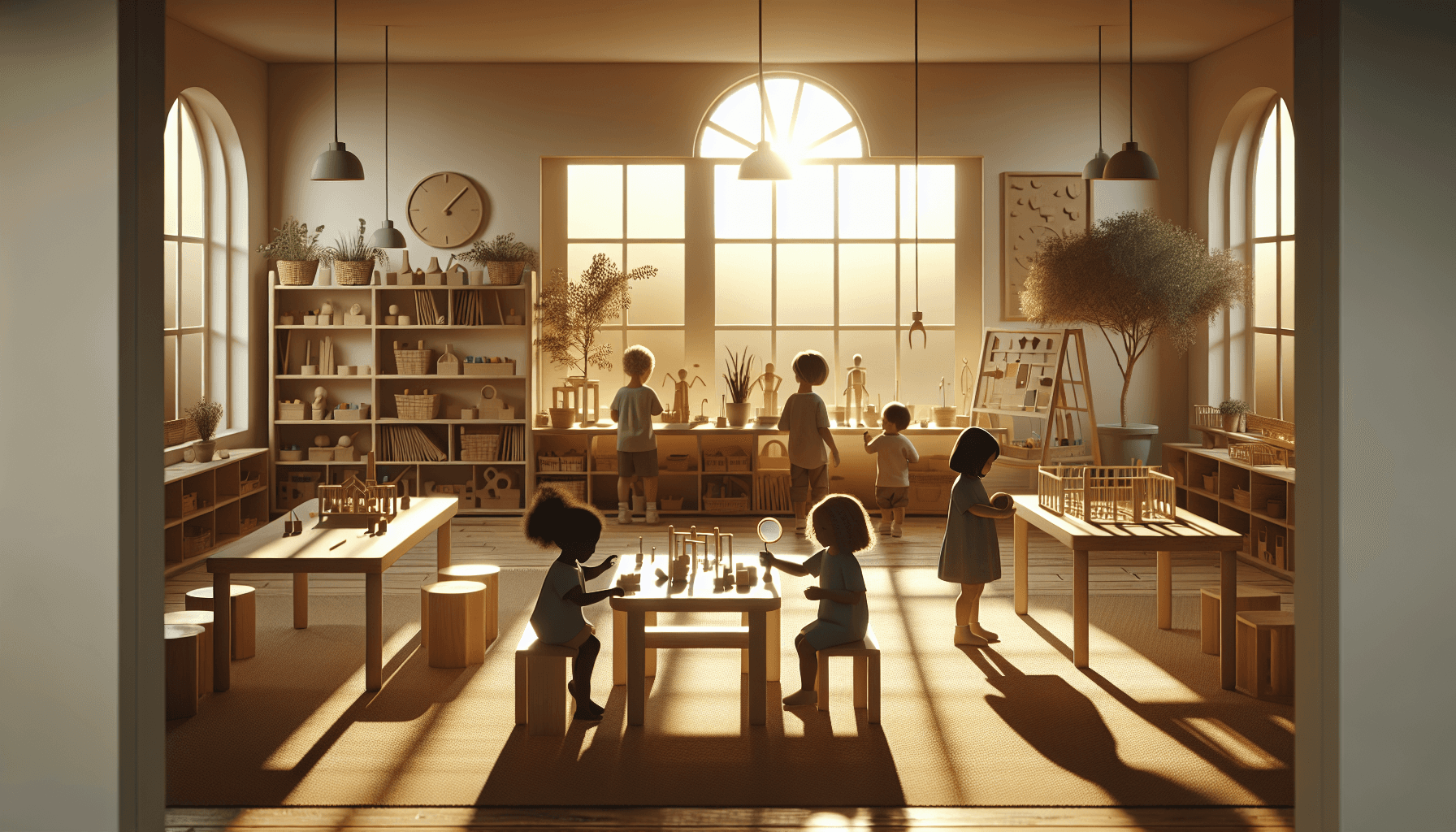
Explore how Montessori sensory activities benefit early childhood development by engaging children's senses and enhancing their learning experiences.
In today's post, we will talk about Montessori sensory activities. They are an important part of early childhood development, as they engage children's senses and help them explore the world around them. Children are naturally curious, and sensory activities allow them to explore and understand their environment through their senses. Here are some key benefits of Montessori sensory activities:
Sensory storytelling involves using materials like fabrics or objects to tell a story. Children can touch and manipulate these items as they listen, enhancing their sensory experience.
Sensory bags are a mess-free way to explore textures. Fill a clear plastic bag with materials like paint or shaving cream. Let children press and squish the bag to feel the textures inside.
Parents looking for more engaging activities can explore our sensory activities for preschoolers for additional inspiration.
Incorporate sensory activities into your child's daily routine. This provides valuable learning experiences and helps them develop essential skills for life.
Now that we've discussed the benefits of Montessori sensory activities, let's explore some ways to try them at home. These activities are not only educational but also fun for you and your child.
Montessori sensory activities play a key role in early childhood development. They engage children's senses and help them explore their surroundings. Children are naturally curious, and these activities allow them to understand their environment through touch, sight, smell, and taste. Here are some benefits of these activities:
- Encourage exploration and discovery: Sensory activities provide children a hands-on way to explore their environment and discover new things. Children can learn about different textures, colours, smells, and tastes through sensory activities.
- Promote cognitive development: Sensory activities can help children develop their cognitive skills, such as problem-solving, critical thinking, and decision-making. These skills are essential for future academic success.
- Develop fine motor skills: Many Montessori sensory activities involve using small muscles in the hands and fingers, which can help develop fine motor skills. These skills are important for tasks such as writing, drawing, and using utensils.
- Support language development: Sensory activities can help children develop their language skills by encouraging them to describe what they are seeing, feeling, and experiencing.
- Foster creativity and imagination: Sensory activities allow children to use their imaginations and be creative. By using their senses to explore the world around them, children can come up with new ideas and ways of doing things.
Now that we've talked about the benefits of Montessori sensory activities, here are some ideas for how to implement them at home and have fun with your little one:
-  Sensory bins: Fill a large plastic bin with materials that children can touch and explore, such as dried beans, rice, sand, or water beads. Add tools such as scoops, funnels, and cups for children to manipulate the materials.
- Nature walks: Take children on walks outside and encourage them to touch, smell, and observe different plants, rocks, and animals.
- Art projects: Provide children with different materials such as paint, clay, or playdough to create their own sensory experiences.
- Cooking and baking: Involve children in the kitchen and encourage them to explore different ingredients' textures, smells, and tastes.
- Sensory bottles: Fill clear plastic bottles with different materials such as glitter, beads, or rice, and let children observe and manipulate the contents.
- Sensory bags: Fill a clear plastic bag with materials such as paint or shaving cream, and let children manipulate the contents without making a mess.
- Water play: Fill a basin with water and let children explore with cups, sponges, and other tools.
- Ice play: Freeze small toys or objects in an ice cube tray and let children explore as the ice melts.
- Texture boards: Create a board with different textures such as sandpaper, velvet, and bubble wrap. Have children feel each texture and describe it using descriptive words.
- Scented playdough: Make homemade playdough with scents such as lavender, peppermint, or vanilla. Children can manipulate and explore the playdough while experiencing different scents.
- Sensory books: Create a book with different textures and materials that children can touch and explore.
- Sorting activities: Provide children with different materials, such as beans or buttons, to sort by colour, shape, or texture.
- Sensory storytelling: Use different materials, such as fabrics or objects, to tell a story and allow children to touch and manipulate the items as they listen.
Montessori sensory activities are an essential part of early childhood development. They engage children's senses, encourage exploration and discovery, promote cognitive and language development, and support fine motor skills, creativity, and imagination. By incorporating sensory activities into your child's daily routine, you can provide them with valuable learning experiences and help them develop important skills that will serve them well throughout their lives.
Montessori sensory activities are not only fun but also educational, providing children with a rich learning environment.
-
Frequently Asked Questions
What are some simple Montessori sensory activities to try at home?+
You can try sensory bins, nature walks, or cooking activities. These activities engage children's senses and help them learn about their environment.
How do Montessori sensory activities benefit my child's development?+
These activities promote cognitive and language development, fine motor skills, creativity, and imagination. They provide hands-on learning experiences essential for growth.
Can sensory activities be incorporated into daily routines?+
Yes, you can easily include sensory activities in daily routines. Simple activities like sensory bins or storytelling can be part of playtime or learning sessions.
Tags
Share this article
Comments
No comments yet. Be the first to share your thoughts.
Leave a comment
Join our weekly newsletter
Framework-grounded ideas for parents and educators, every Thursday.