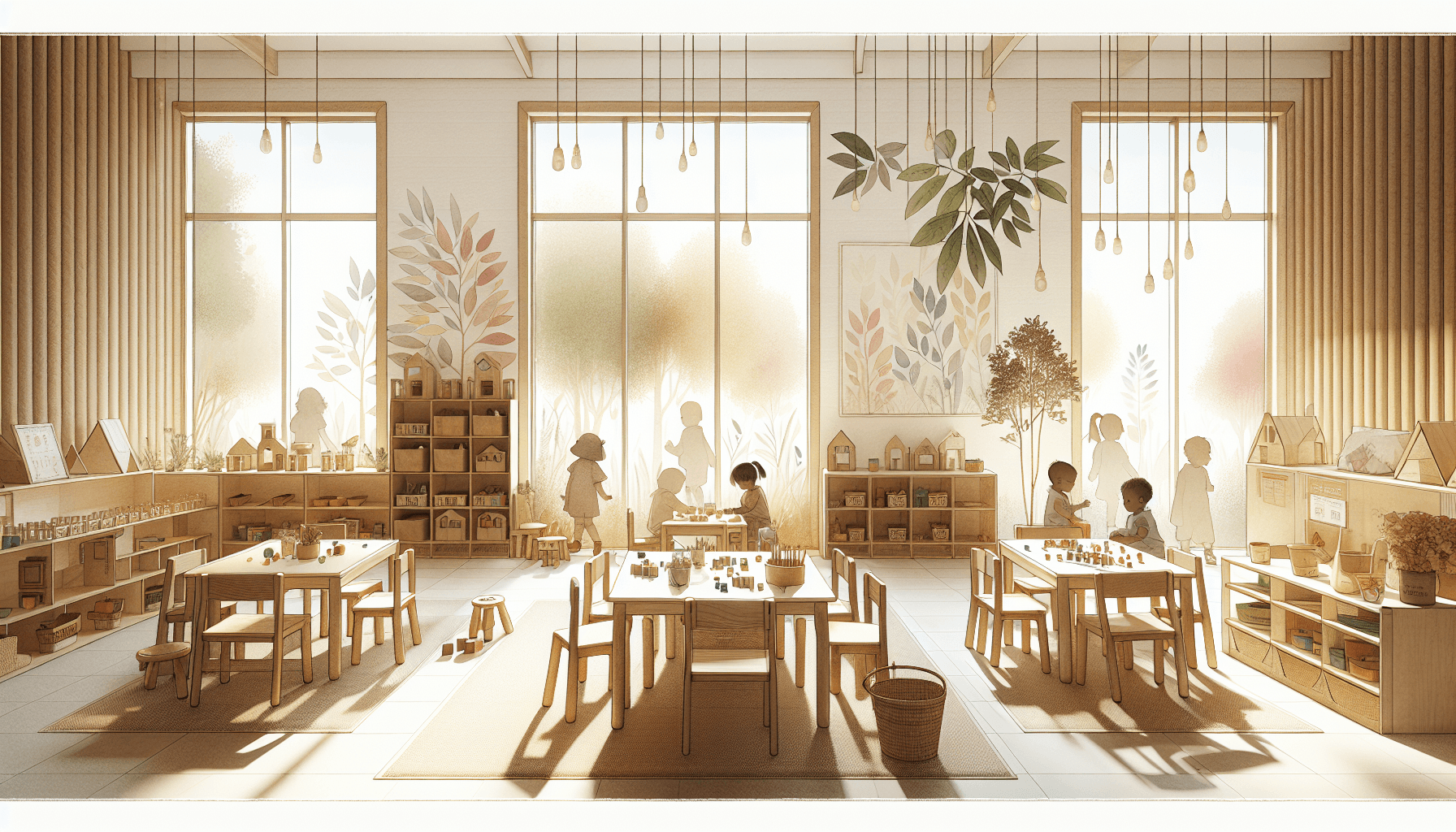
Explore the core philosophies of Montessori, EYFS, IB, and High Scope in early childhood education. Understand how these frameworks shape learning.
Welcome to our first blog post at GrowingBrightMinds.com! As we embark on this journey to support and guide both parents and educators, it's essential to understand the core philosophies that shape early childhood education. Today, we will delve into four prominent approaches: Montessori, Early Years Foundation Stage (EYFS), International Baccalaureate (IB), and High Scope. By understanding the principles and benefits of these methods, we can better appreciate how they contribute to the holistic development of young learners.
Each of these approaches—Montessori, EYFS, IB, and High Scope—offers unique benefits to early childhood education.
In the coming weeks, we will explore each approach further. We'll discuss practical applications, activities, and strategies for teachers and parents. Stay tuned to our "Little Minds, Big Discoveries" blog for more insights on nurturing bright young minds!
Montessori education focuses on child-led learning. It began with Maria Montessori, who believed children learn best through hands-on activities. Key principles include independence, freedom within limits, and respect for a child’s natural development. Montessori classrooms use special materials to encourage exploration and learning. The approach benefits children by fostering independence and a love for learning.
As we start this journey to support parents and educators, it's key to understand early childhood education philosophies. Today, we'll explore four major approaches: Montessori, Early Years Foundation Stage (EYFS), International Baccalaureate (IB), and High Scope. By learning about these methods, we can see how they help young learners grow.
Montessori:
-
History and Philosophy
-
Key principles
-
Montessori materials and activities
-
Benefits and outcomes
EYFS:
-
Overview and goals
-
Seven areas of learning and development
-
Planning and assessment
-
Impact on child development
International Baccalaureate (IB) Primary Years Programme (PYP):
-
Introduction to the IB PYP
-
Essential elements of the PYP
-
Inquiry-based learning
-
Benefits for young learners
High Scope:
-
Background and objectives
-
Active participatory learning
-
Key developmental indicators
-
Advantages of the High Scope approach
Conclusion: Understanding the philosophies and methods of Montessori, EYFS, IB PYP, and High Scope helps us appreciate the diverse landscape of early childhood education. In the coming weeks, we will dive deeper into each approach, discussing practical applications, activities, and strategies for teachers and parents. Stay tuned to our "Little Minds, Big Discoveries" blog for more insights and inspiration on nurturing the next generation of bright minds!
EYFS
For more detailed insights, parents can read our guide on EYFS to understand its framework better.
Parents looking for practical activities can explore our essential practical activities guide for ideas that work both at home and in school.
Montessori
To learn more about incorporating Montessori principles at home, check out our Montessori Home Ideas.
Frequently Asked Questions
What is the Montessori method? The Montessori method is a child-centered educational approach based on scientific observations of children. It emphasizes independence, freedom within limits, and respect for a child’s natural development.
How does the EYFS framework support child development? The EYFS framework supports child development by providing a structured approach to learning and development, focusing on seven key areas.
What are the benefits of the IB Primary Years Programme? The IB Primary Years Programme encourages inquiry-based learning, which helps young learners develop critical thinking skills and a global perspective.
Frequently Asked Questions
What is the Montessori method?+
The Montessori method is a child-centered educational approach based on scientific observations of children. It emphasizes independence, freedom within limits, and respect for a child’s natural development.
How does the EYFS framework support child development?+
The EYFS framework supports child development by providing a structured approach to learning and development, focusing on seven key areas.
What are the benefits of the IB Primary Years Programme?+
The IB Primary Years Programme encourages inquiry-based learning, which helps young learners develop critical thinking skills and a global perspective.
Tags
Share this article
Comments
No comments yet. Be the first to share your thoughts.
Leave a comment
Join our weekly newsletter
Framework-grounded ideas for parents and educators, every Thursday.