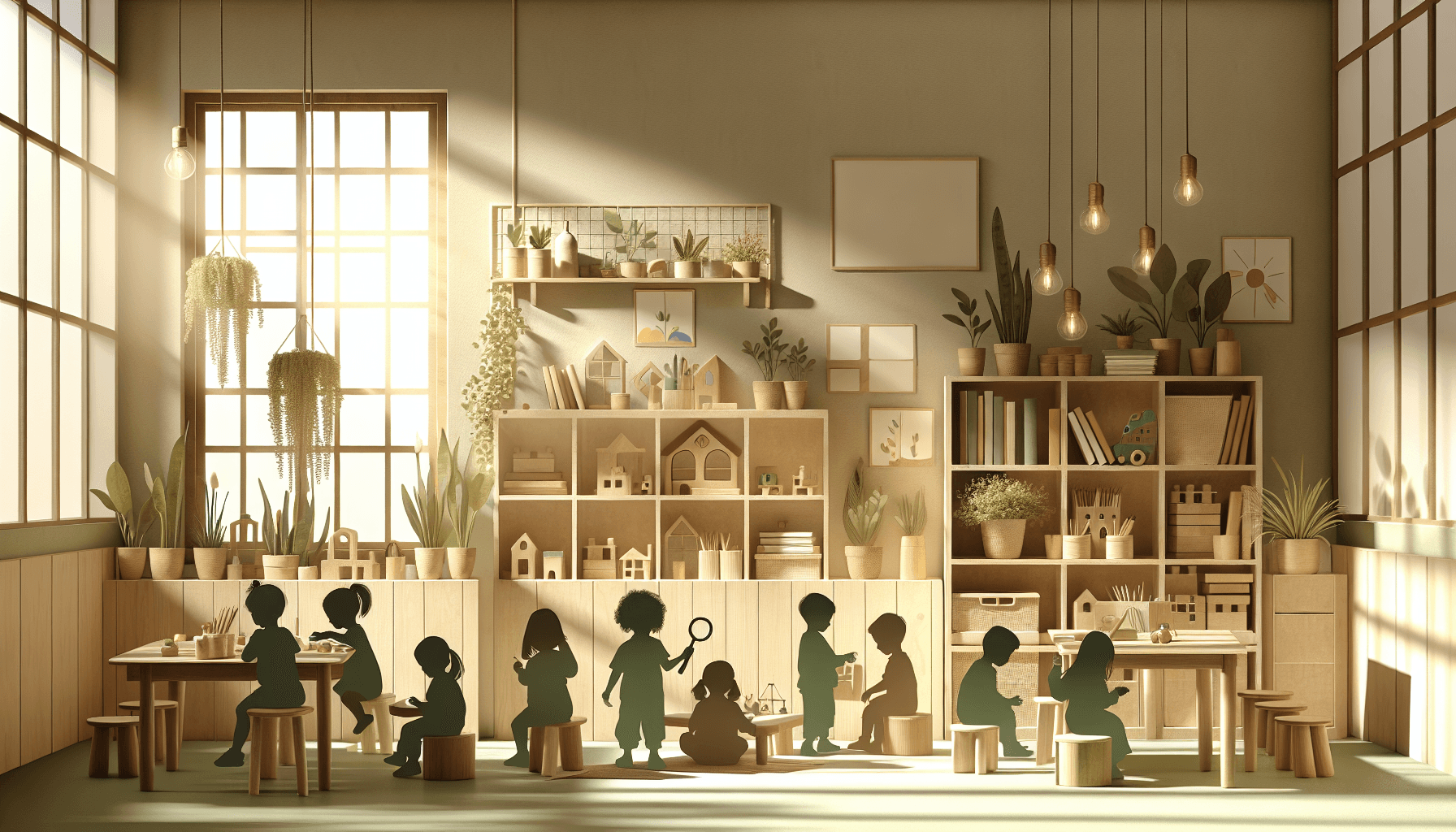
Discover the EYFS, a vital framework guiding the education and care of children from birth to five years in the UK. Learn its key elements and benefits.
The Early Years Foundation Stage (EYFS) is a framework that provides guidance for the education and care of children aged from birth to five years old in the United Kingdom. It sets out the minimum standards for early years education. It aims to provide a consistent approach to support children's learning and development across all settings, whether it be a nursery, pre-school, or childminding setting.
The EYFS framework highlights seven areas of learning and development. These areas are interconnected and support each other. They include: Communication and Language, which focuses on listening, speaking, and understanding. Physical Development, which enhances motor skills and health awareness. Personal, Social, and Emotional Development, which builds confidence and social skills. Literacy, which develops reading and writing abilities. Mathematics, which covers numbers, shapes, and patterns. Understanding the World, which explores the environment and people. Expressive Arts and Design, which encourages creativity through art and music.
The EYFS framework also helps parents and carers understand their child's development. It encourages them to work with early years professionals to help their child reach their full potential.
The EYFS framework helps build a strong base for children's learning and growth. Research shows that high-quality early education leads to better long-term outcomes. Children who attend quality early years education often develop better social skills, language abilities, and academic success later in life. The framework also supports children with additional needs. It provides a way to identify, assess, and intervene early, ensuring they get the support they need to thrive.
The main goal of the EYFS is to offer high-quality early education and care. This helps all children make good progress and prepares them for their future learning. The EYFS achieves this through a mix of play-based learning and structured teaching. It focuses on seven key areas of learning and development.
Overview and Goals of EYFS:
The overarching goal of the EYFS is to provide high-quality early education and care that enables all children to make good progress and prepare them for the next stages of their learning journey. This is achieved through a combination of play-based learning and structured teaching, with a focus on the seven areas of learning and development.
The EYFS framework also aims to support parents and carers in understanding their child's development and to work in partnership with early years professionals to help their child reach their full potential.
Seven Areas of Learning and Development:
The EYFS framework identifies seven areas of learning and development that are interconnected and interdependent. These areas of learning and development are as follows:
-
Communication and Language - This area of learning and development focuses on developing children's listening, speaking, and understanding of language.
-
Physical Development - This area of learning and development focuses on developing children's gross and fine motor skills, as well as their understanding of health and self-care.
-
Personal, Social, and Emotional Development - This area of learning and development focuses on developing children's self-confidence, self-awareness, and social skills.
-
Literacy - This area of learning and development focuses on developing children's reading and writing skills.
-
Mathematics - This area of learning and development focuses on developing children's understanding of numbers, shapes, and patterns.
-
Understanding the World - This area of learning and development focuses on developing children's understanding of the world around them, including people, places, and the environment.
-
Expressive Arts and Design - This area of learning and development focuses on developing children's creativity, imagination, and self-expression through art, music, and drama.
Planning and Assessment:
Early years practitioners use the EYFS framework to plan and deliver a broad and balanced curriculum that meets the needs of all children. They use ongoing observation, assessment, and reflection to monitor children's progress and plan the next steps for learning.
Practitioners use a range of assessment tools, including observations, photographs, and children's work, to assess children's progress against the Early Learning Goals (ELGs) for each area of learning and development. These ELGs set out the expected level of development that children should reach by the end of the EYFS.
Impact on Child Development:
The EYFS framework provides a strong foundation for children's learning and development, and research has shown that high-quality early education can have a positive impact on children's long-term outcomes. Children who experience high-quality early years education are more likely to have better social and emotional development, better language and communication skills, and better academic outcomes in later life.
The EYFS framework also supports children with additional needs or disabilities by providing a framework for early identification, assessment, and intervention. This means that children who need additional support can receive it at an early stage, which can have a positive impact on their development and future outcomes.
The EYFS framework is key for setting standards in early childhood education and ensuring consistent support for children's development.
Parents looking to enhance their child's learning experience can explore our Fun Sensory Activities for Preschool Learning for creative ideas.
For parents interested in outdoor learning, our article on Outdoor Learning in Early Childhood Education offers valuable insights.
In conclusion, the Early Years Foundation Stage (EYFS) is a framework that provides guidance for the education and care of children aged from birth to five years old. The EYFS framework sets out the minimum standards for early years education and aims to provide a consistent approach to support children's learning and development across all settings. The seven areas of learning and development identified in the EYFS framework provide a strong foundation for children's learning and development.
Frequently Asked Questions
What is the purpose of the EYFS framework?+
The EYFS framework aims to provide high-quality early education and care, ensuring children make good progress and are well-prepared for future learning stages.
How does the EYFS framework support children with additional needs?+
The EYFS framework supports children with additional needs by offering early identification, assessment, and intervention, ensuring they receive necessary support to aid their development.
What are the seven areas of learning and development in the EYFS?+
The seven areas include Communication and Language, Physical Development, Personal, Social, and Emotional Development, Literacy, Mathematics, Understanding the World, and Expressive Arts and Design.
Tags
Share this article
Comments
No comments yet. Be the first to share your thoughts.
Leave a comment
Join our weekly newsletter
Framework-grounded ideas for parents and educators, every Thursday.