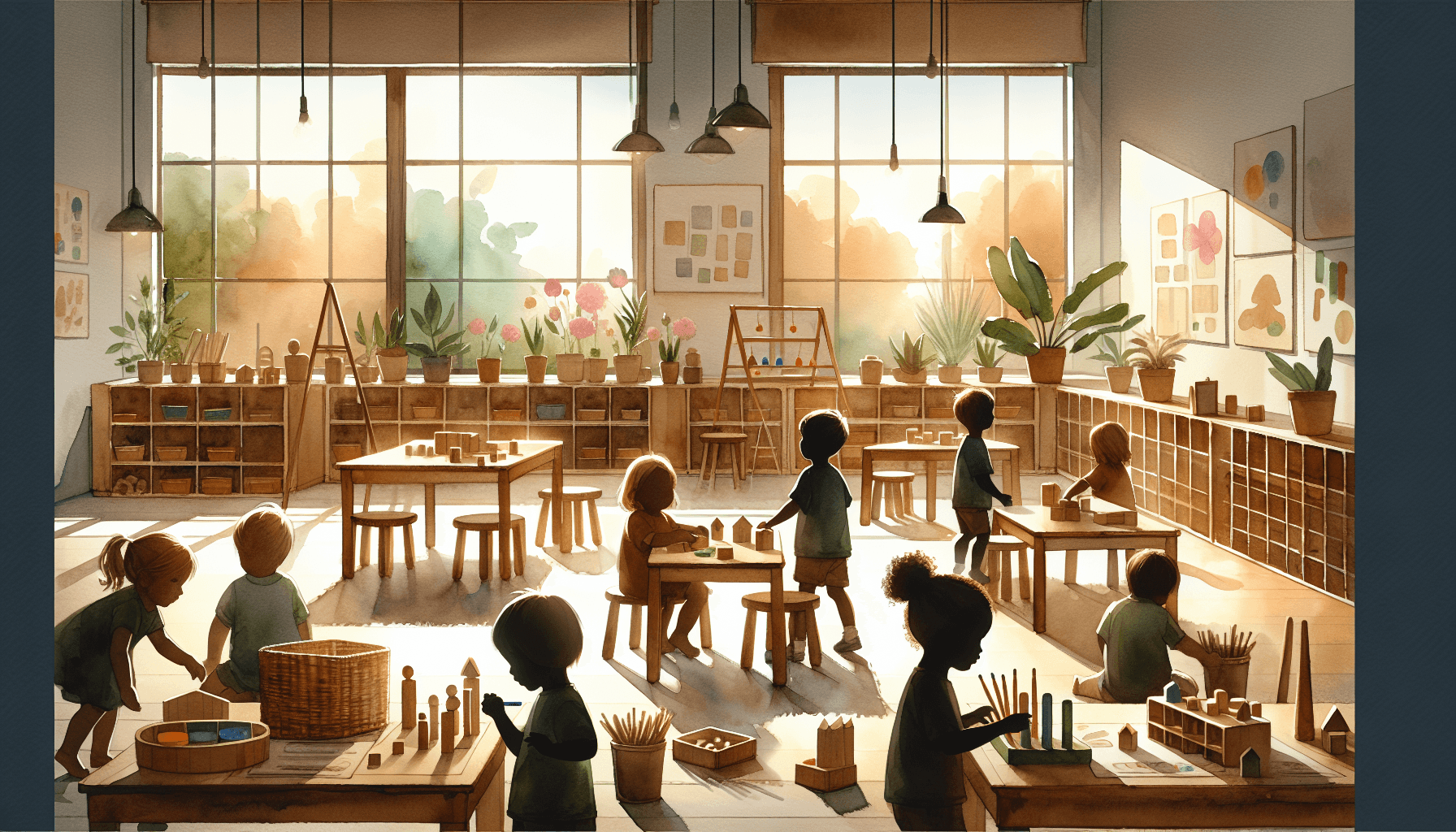
Explore the common reasons why young kids misbehave and find effective strategies to manage their behavior.
Table of Contents
- [Introduction](#wpaicg-introduction)
- [Exploring the Reasons Behind Misbehavior in Small Children](#wpaicg-exploring-the-reasons-behind-misbehavior-in-small-children)
- [How to Effectively Discipline Small Children Who Misbehave](#wpaicg-how-to-effectively-discipline-small-children-who-misbehave)
- [Understanding the Developmental Stages of Small Children and How They Impact Misbehavior](#wpaicg-understanding-the-developmental-stages-of-small-children-and-how-they-impact-misbehavior)
- [Conclusion](#wpaicg-conclusion)
Understanding why young kids misbehave can help parents address these behaviors effectively and support their child's development.
Introduction
Small children misbehave for a variety of reasons, ranging from a lack of understanding of the consequences of their actions to a need for attention. It is important to understand why children misbehave in order to effectively address the issue and help them learn appropriate behavior. This article will explore the various reasons why small children misbehave and provide strategies for addressing the issue.
Exploring the Reasons Behind Misbehavior in Small Children
Misbehavior in small children is common. Parents and caregivers often face it. Children test boundaries and explore their environment. Some behaviors, however, can be concerning. Understanding the reasons behind misbehavior helps in addressing it effectively.
A common reason for misbehavior is a lack of understanding. Children are learning about their world. They may not grasp the consequences of their actions. They might also struggle to express their feelings, leading to outbursts.
Another cause is a lack of structure. Children need clear expectations and boundaries. These help them feel secure and develop healthy habits. Without them, they might act out for attention or to test limits.
Misbehavior can also signal emotional issues. Anxiety, depression, or other mental health problems may manifest as disruptive behaviors. It's important to recognize these signs and seek help if needed.
Environmental factors can also lead to misbehavior. Exposure to violence, neglect, or negative influences can result in disruptive actions. Creating a safe and supportive environment helps children develop healthy behaviors.
How to Effectively Discipline Small Children Who Misbehave
Disciplining small children can be challenging. It's crucial to use discipline to teach, not punish. Here are some tips for effective discipline.
First, stay calm. Yelling or getting angry worsens the situation. Take deep breaths and speak firmly but calmly.
Second, be consistent. Children follow rules better when they know the consequences are always the same.
Third, give clear instructions. Explain what behavior you expect and why it matters.
Fourth, use positive reinforcement. Praise children for good behavior and reward them with something they enjoy, like extra playtime.
Finally, be patient. Discipline takes time and consistency. Children are learning and may need extra guidance.
By following these tips, parents can effectively discipline children. With patience, children learn appropriate behavior and develop healthy habits.
Understanding the Developmental Stages of Small Children and How They Impact Misbehavior
Small children go through different developmental stages. Each stage has unique challenges and learning opportunities. Understanding these stages helps manage misbehavior.
Infancy lasts from birth to 18 months. Infants learn to trust and bond with caregivers. They explore their environment and develop motor skills. Misbehavior might include crying or fussing, which are normal.
Toddlerhood lasts from 18 months to 3 years. Toddlers become more independent and explore more. They learn to communicate and interact. Tantrums and defiance are common but normal.
Preschool lasts from 3 to 5 years. Children become more independent and interact with others. They learn to express emotions and solve problems. Defiance and non-compliance can occur but are part of normal development.
Parents can also explore our guide on sensory activities for preschoolers to find engaging ways to support their child's development.
For more ideas on nurturing a child's curiosity, check out our guide on nurturing curiosity in children.
Conclusion
In conclusion, small children misbehave sometimes because they are still learning how to express their emotions, they are trying to gain independence, and they are testing boundaries. It is important for parents to be patient and understanding when their children misbehave, as it is a normal part of growing up. With consistent guidance and positive reinforcement, children can learn how to express themselves in appropriate ways.
FAQs About Misbehavior in Young Children
Why do young kids misbehave? Young kids misbehave for various reasons, including a lack of understanding, need for attention, or emotional issues. Understanding these reasons helps in addressing the behavior effectively.
How can I discipline my child without being harsh? Use calm communication, consistency, and positive reinforcement. These methods teach children appropriate behavior without harshness.
What are normal behaviors for toddlers? Toddlers often have tantrums and show defiance. These behaviors are normal as they learn independence and communication skills.
Frequently Asked Questions
Why do young kids misbehave?+
Young kids misbehave for various reasons, including a lack of understanding, need for attention, or emotional issues. Understanding these reasons helps in addressing the behavior effectively.
How can I discipline my child without being harsh?+
Use calm communication, consistency, and positive reinforcement. These methods teach children appropriate behavior without harshness.
What are normal behaviors for toddlers?+
Toddlers often have tantrums and show defiance. These behaviors are normal as they learn independence and communication skills.
Tags
Share this article
Comments
No comments yet. Be the first to share your thoughts.
Leave a comment
Join our weekly newsletter
Framework-grounded ideas for parents and educators, every Thursday.