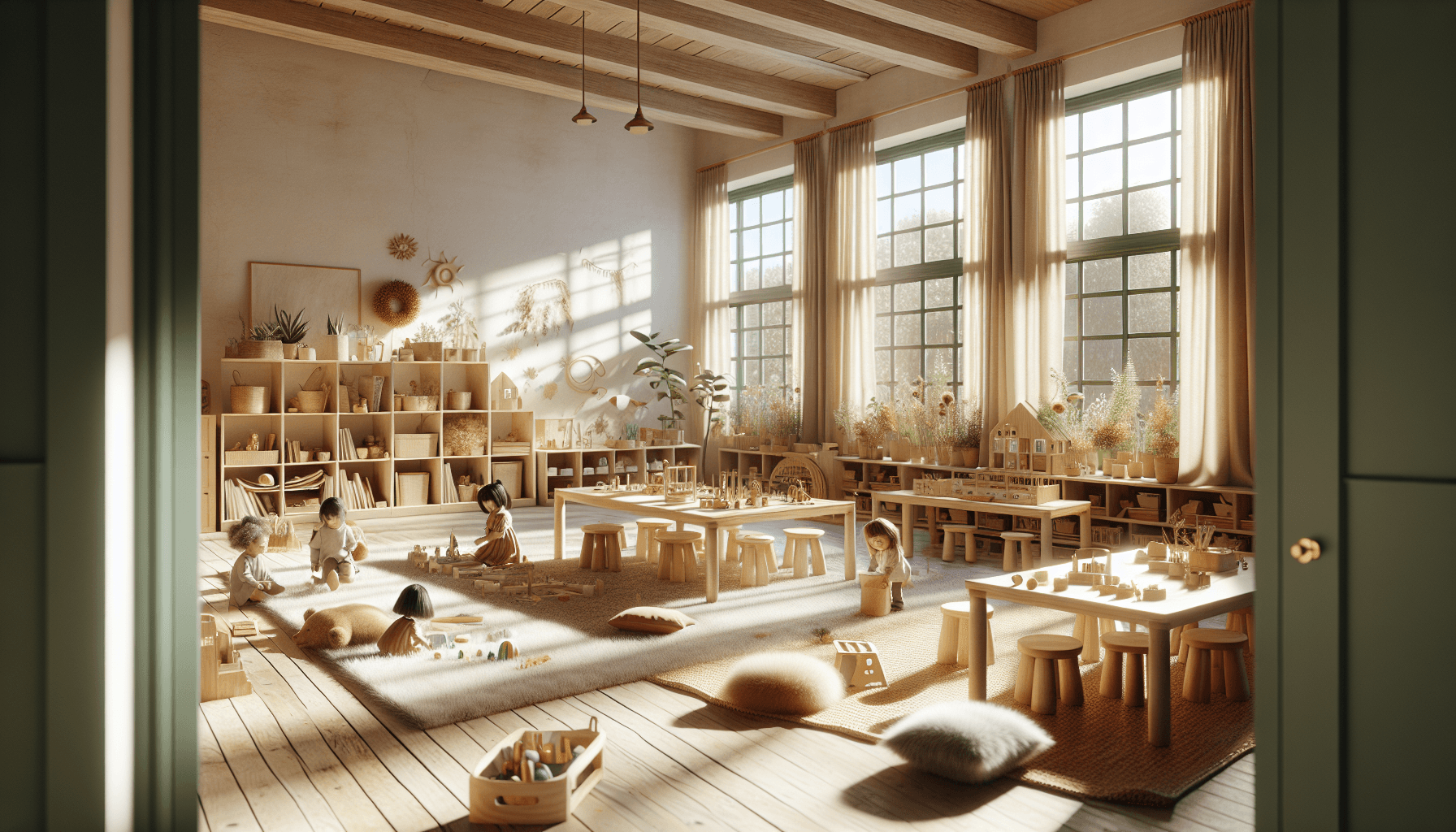
Explore the significance of free play in child development, highlighting its role in fostering creativity and growth through unstructured activities.
Free play is an essential aspect of childhood development that has been proven to have numerous benefits for children. Free play refers to any unstructured play that children engage in, without any specific goals or guidelines. This can include activities such as playing with toys, building with blocks, or engaging in imaginative play.
Parents looking for hands-on ideas can explore our sensory play guide for age-appropriate activities.
Free play promotes creativity and imagination. It also helps develop social and emotional skills. It is a vital part of every child's life.
Children practice cognitive skills during free play. These include problem-solving, critical thinking, and decision-making. These skills help them in other areas, like school.
Parents and caregivers should encourage children to play freely. This supports their overall development and well-being.
Free play helps children develop creativity and imagination. They can use their imaginations freely and create their own games. This encourages them to think creatively and explore new ideas.
Free play is a key part of childhood development. It includes any unstructured play without specific goals or guidelines. This can involve playing with toys, building with blocks, or imaginative play.
One of the main reasons why free play is important for children is that it helps them develop their creativity and imagination. When children engage in free play, they are free to use their imaginations and come up with their own ideas and games. This type of play encourages children to think outside the box and explore new ideas and concepts.
Free play is also important for children's social and emotional development. During free play, children learn important social skills such as sharing, cooperation, and negotiation. They also learn how to express their emotions and communicate effectively with others.
In addition to promoting social and emotional development, free play also has numerous physical benefits for children. When children engage in free play, they are often running, jumping, and moving around. This type of physical activity is essential for developing gross motor skills and coordination.
Finally, free play has been linked to improved academic performance. When children engage in free play, they are able to practice important cognitive skills such as problem-solving, critical thinking, and decision-making. These skills can then transfer to other areas of their lives, including the classroom.
For parents interested in fostering creativity, our article on artistic play offers great insights.
Incorporating [sensory play benefits for child development] into daily routines can enhance learning and growth.
In conclusion, free play is an essential aspect of childhood development that has numerous benefits for children. From promoting creativity and imagination to developing social and emotional skills, free play is an important part of every child's life. Parents and caregivers should encourage children to engage in free play as much as possible to support their overall development and well-being.
Frequently Asked Questions
How does free play benefit a child's physical development?+
Free play benefits a child's physical development by encouraging activities like running, jumping, and climbing, which enhance gross motor skills and coordination.
What are the cognitive benefits of free play for children?+
Free play enhances cognitive skills such as problem-solving, critical thinking, and decision-making, which can improve academic performance.
Why is creativity important in free play?+
Creativity in free play allows children to use their imagination, develop new ideas, and engage in innovative thinking, which is essential for cognitive and emotional growth.
Tags
Share this article
Comments
No comments yet. Be the first to share your thoughts.
Leave a comment
Join our weekly newsletter
Framework-grounded ideas for parents and educators, every Thursday.