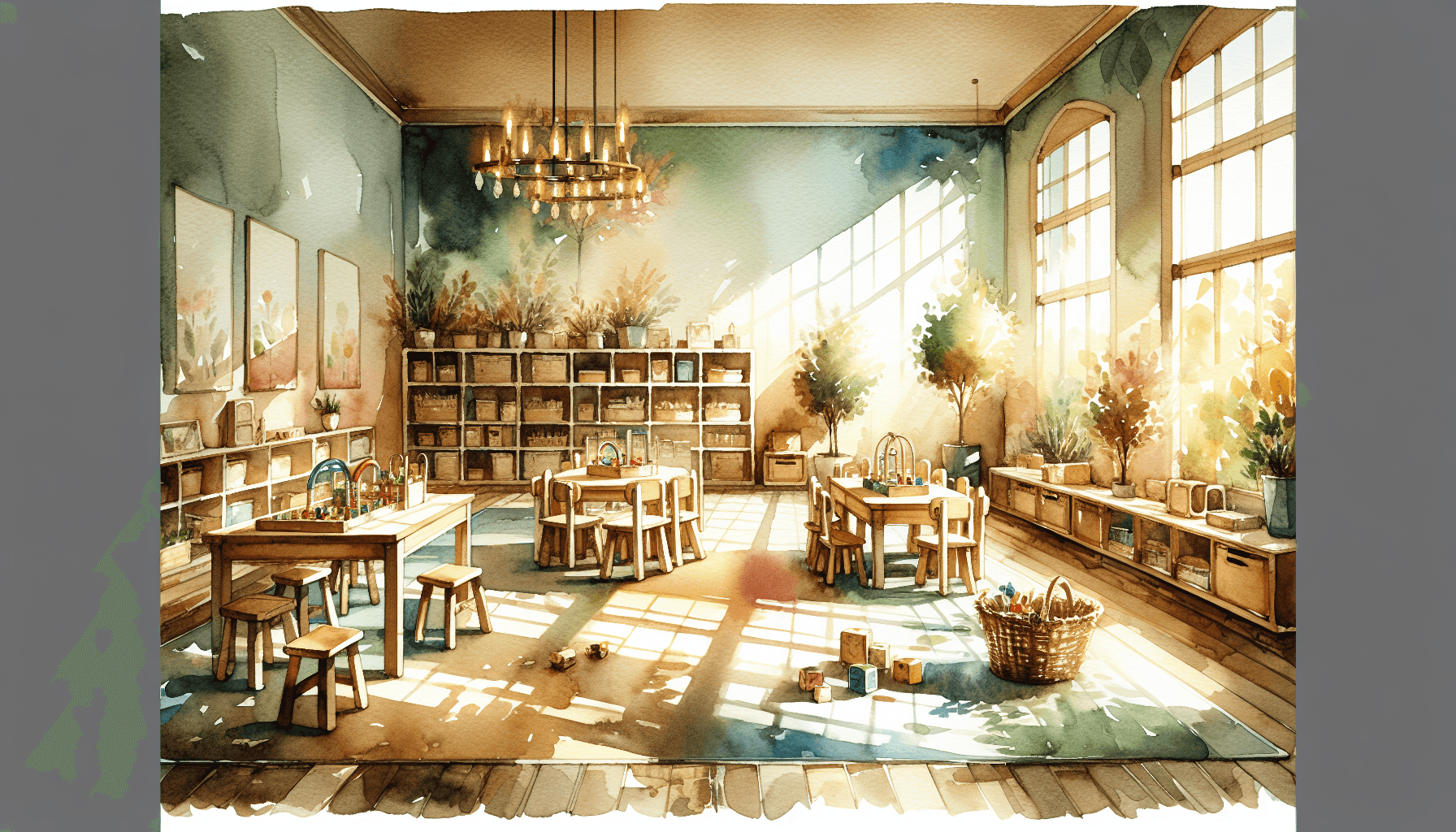
Discover the benefits of free play in supporting your child's physical, cognitive, and social-emotional development at home.
As we mentioned in the previous post, free play is an essential part of a child’s development, and it has numerous benefits for their physical, cognitive, and social-emotional growth. Free play is any activity that children engage in without adult direction or structure. It allows them to use their imagination, creativity, and problem-solving skills in a fun and enjoyable way. Here are some benefits of free play and how you can support it at home.
Children can build a fort using blankets, pillows, and furniture to create cozy hideaways. Dress-up play is another option. Offer costumes and props for character creation. Sensory play with materials like playdough, sand, or water allows exploration. Board games encourage social play and problem-solving. An obstacle course made from household items like chairs and pillows can be fun to navigate.
Set aside unstructured time for your child each day. Let them choose their own activities and play independently. Provide various materials like building blocks, art supplies, puzzles, and books. Encourage outdoor play. Let your child explore and play outside. Join in their play, but let them lead. Follow their cues and participate without taking over.
Free play sparks imagination and creativity. Children create their own scenarios and characters, boosting their creativity. It also builds problem-solving skills. Kids face challenges and find their own solutions during play. Social skills improve too. Children learn to share, cooperate, and communicate, which helps them throughout life. Lastly, free play boosts physical development. It helps children develop motor skills, coordination, and balance.
Benefits of Free Play:
-
Develops Imagination and Creativity: Free play allows children to use their imagination and create their own scenarios and characters, which can help them develop their creativity.
-
Builds Problem-Solving Skills: During free play, children face challenges and obstacles that require them to come up with their own solutions, building their problem-solving skills.
-
Enhances Social Skills: Free play helps children learn to share, cooperate, negotiate, and communicate with others, which are essential social skills that will benefit them throughout their lives.
-
Boosts Physical Development: Free play provides opportunities for children to develop their gross and fine motor skills, as well as their coordination and balance.
How to Support Free Play at Home:
-
Provide Unstructured Time: Set aside some unstructured time in your child’s day when they can choose their own activities and play independently.
-
Provide a Variety of Materials: Provide a variety of materials such as building blocks, art supplies, puzzles, and books that your child can use to engage in free play.
-
Get Outside: Outdoor play provides children with opportunities to explore and experience the natural world. Encourage your child to spend time outside and engage in unstructured play.
-
Play with Your Child: Join in your child’s play, but let them take the lead. Follow their cues and participate in their play without taking over.
Fun and Interesting Activities for Free Play:
-
Build a Fort: Using blankets, pillows, and furniture, children can create their own cosy hideaways to play in.
-
Dress Up: Provide a variety of costumes and props for your child to use to create their own characters and stories.
-
Sensory Play: Provide sensory materials such as playdough, sand, or water for your child to explore and manipulate.
-
Board Games: Board games are a great way for children to engage in social play and practice turn-taking and problem-solving skills.
-
Obstacle Course: Create an obstacle course using household items such as chairs, pillows, and blankets for your child to navigate.
To sum up, everything mentioned above, free play is an essential part of a child’s development, and it is important to provide opportunities for children to engage in unstructured play. By providing a variety of materials, getting outside, and joining in your child’s play, you can support their development and help them build important skills that will benefit them throughout their lives.
Parents looking for hands-on ideas can explore our sensory play guide for age-appropriate activities.
Fun and Interesting Activities for Free Play
For more ideas on sensory activities, check out our Fun Sensory Activities for Preschool Learning.
How to Support Free Play at Home
Understanding the "free play benefits" can guide you in creating a supportive environment at home.
Frequently Asked Questions
What are the benefits of free play for children?+
Free play enhances creativity, problem-solving, social skills, and physical development. It allows children to explore and learn independently.
How can I encourage free play at home?+
Encourage free play by providing unstructured time, a variety of materials, and opportunities for outdoor play. Join in without taking over.
What materials are best for free play?+
Materials like building blocks, art supplies, puzzles, and books are great for free play. They stimulate creativity and problem-solving.
Tags
Share this article
Comments
No comments yet. Be the first to share your thoughts.
Leave a comment
Join our weekly newsletter
Framework-grounded ideas for parents and educators, every Thursday.